Australia maintains an active international presence—climate summits, regional security forums, development aid commitments—that projects the image of a middle power pulling above its weight. This engagement is not frivolous. A stable Indo-Pacific aligns with Australia’s strategic interests, and development assistance can reduce the risk that regional instability eventually arrives at Australia’s borders in more costly forms.
The tension lies elsewhere. Voters increasingly hear governments speak fluently about international frameworks and long-term global objectives while struggling to explain why basic domestic systems feel permanently strained. It is not that international engagement is misguided. It is that domestic delivery appears to have slipped into second place, treated as an administrative obligation rather than the core task of government.
Housing makes the imbalance visible. Over the past decade, population growth has repeatedly outpaced new housing completions, particularly in major cities. Planning approvals remain slow and fragmented, and reform has proven politically difficult. At the same time, tax settings such as negative gearing and capital-gains concessions have been preserved with remarkable consistency, reinforcing demand without expanding supply. The outcome is predictable: rents and prices rise faster than wages, vacancy rates tighten, and younger households increasingly assume long-term renting as the default. Development aid, often targeted rhetorically in budget debates, remains marginal in overall spending and is not the source of this failure.

Energy policy follows a similar pattern of ambition outrunning execution. The transition to renewables is necessary and broadly supported, but governance of the shift has been fragmented. Baseload capacity has exited faster than replacement capacity and firming infrastructure have arrived. Responsibility is split across federal targets, state timelines and market operators with limited authority to sequence the transition coherently. Wholesale volatility followed, and retail prices rose with it. Public communication has emphasised future targets, while immediate reliability and cost pressures have been treated as temporary complications.
What links these areas is not a lack of resources, but a pattern of prioritisation. International commitments are visible, legible and reputationally rewarding. Domestic reform is slower, politically costly and procedurally complex. The result is a state that performs confidently on the global stage while struggling to deliver outcomes citizens encounter every day: affordable housing, reliable power and functional infrastructure.
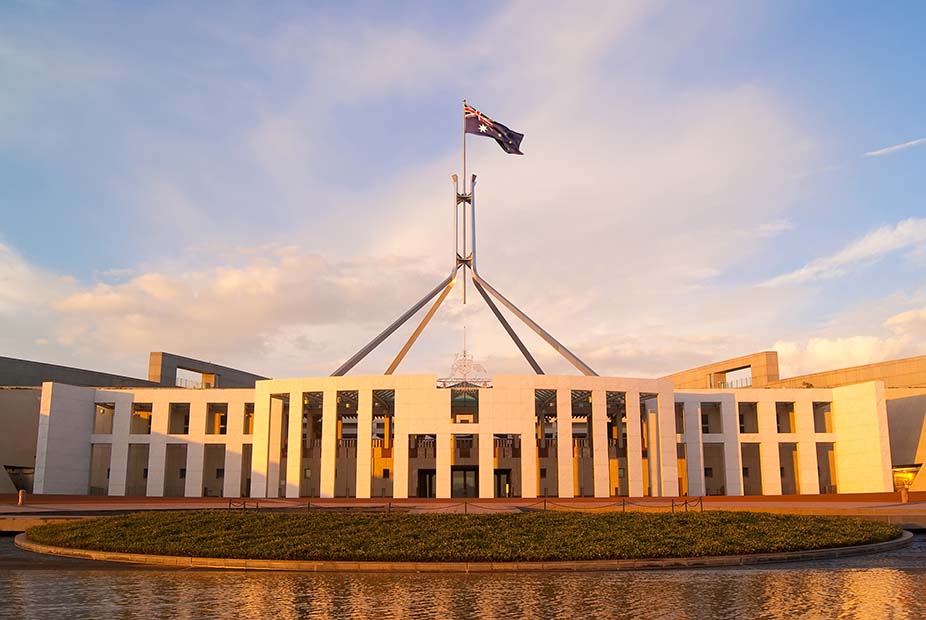
This helps explain why crossbench criticism of Canberra’s focus resonates. The argument is not that Australia should retreat from international engagement. It is that global ambition has been allowed to coexist with declining domestic competence. The question is not whether Australia can walk and chew gum, but how long voters will accept a system that appears increasingly adept at one while faltering at the other.
The views expressed in this article are the author’s own and do not necessarily reflect those of this publication.