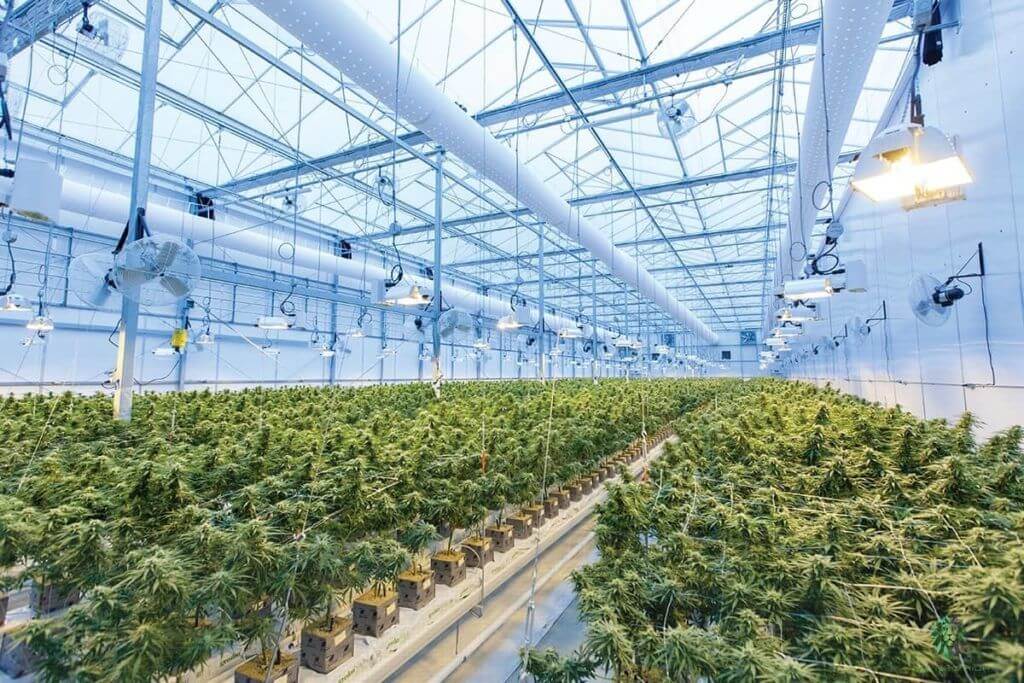
Australia legalised medicinal cannabis in 2016, a move often cited as evidence of policy modernisation. The framework that followed, however, remains unusually restrictive. Access runs through the Therapeutic Goods Administration’s Special Access Scheme, typically mediated by private prescribing clinics that require repeated consultations, ongoing fees and regular renewals. For patients with money, time and proximity to urban services, the system functions tolerably. For those who are regional, lower-income, or managing chronic conditions with limited capacity for repeated appointments, access is narrower and more fragile.

This level of gatekeeping might be defensible if it produced clearly superior outcomes. Evidence for that is limited. What is clearer is the contradiction built into the system. Patients who qualify for prescribed cannabis remain subject to drug-driving laws that penalise detectable THC rather than impairment. Someone can use a prescribed product lawfully, avoid driving while affected, and still lose their licence days later because metabolites remain detectable long after any psychoactive effect has passed. In practical terms, this functions as a de facto prohibition for many patients, particularly outside major cities where driving is not optional.
The consequences are not abstract. Loss of a licence can mean loss of work, restricted access to healthcare, or inability to manage basic daily tasks. For patients already dealing with chronic pain, neurological conditions or mental-health issues, the legal risk reshapes behaviour. Some reduce or abandon treatment. Others bypass the legal framework entirely and accept the consequences if caught. Neither outcome aligns with the stated goals of medicalisation.
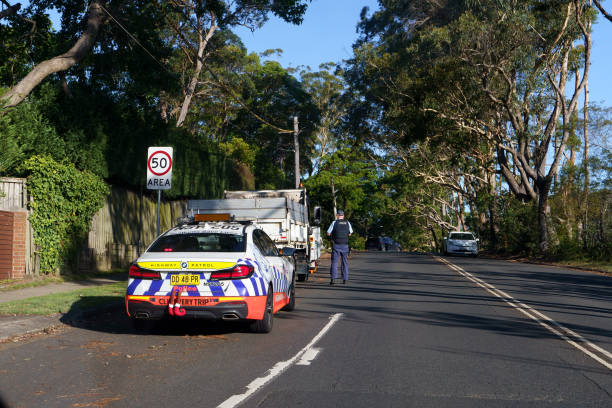
Parliamentary reviews in Victoria and New South Wales have acknowledged these inconsistencies. Medical bodies, legal experts and patient advocates have made the same points for years. Legislative movement has been limited. Policymakers often frame the status quo as precautionary, citing concerns about normalisation and public safety, while leaving unresolved the tension between trusting doctors to prescribe cannabis and refusing to assess impairment in the same way as other prescribed medications.
International comparisons underline how isolated Australia’s position has become. Germany’s 2024 reforms moved toward regulated personal use and impairment-based driving standards. Multiple U.S. states apply similar principles, focusing on actual impairment rather than historical presence. These systems are not permissive free-for-alls. They reflect an acceptance that presence and impairment are not the same thing, and that regulation must account for that distinction to remain credible.
Australia’s framework combines high regulatory burden with limited evidence of corresponding benefit. Access is costly and uneven, legal risk remains high, and the system incentivises avoidance rather than compliance. Over time, the gap between policy intent and lived reality has widened. The longer this structure remains unchanged, the clearer it becomes that the problem is not cannabis itself, but the way the state has chosen to manage it.
The views expressed in this article are the author’s own and do not necessarily reflect those of this publication.